
Elegance Without Extraction
Some forms of exhaustion remain socially acceptable for years. Especially the organized kinds.

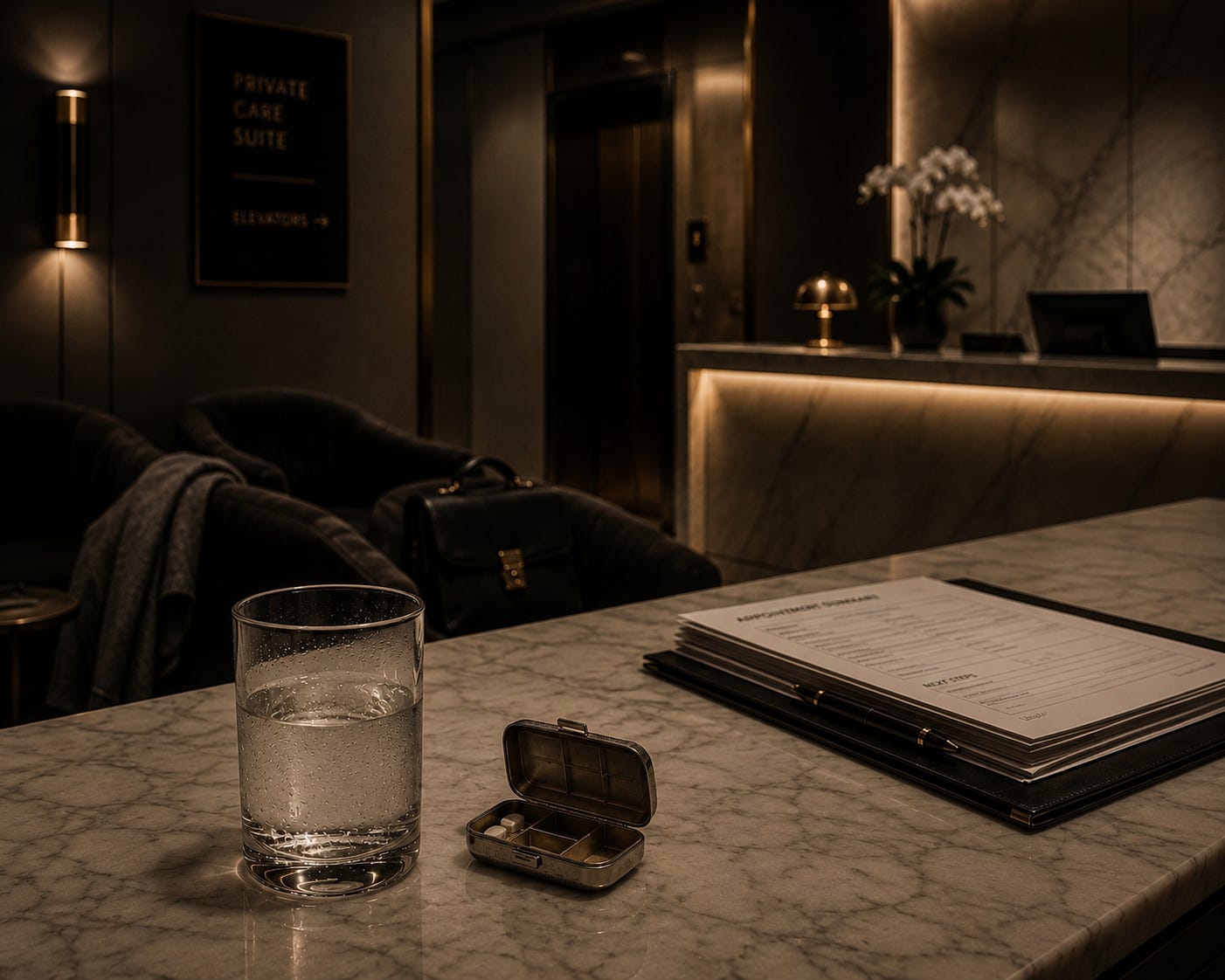
Some forms of exhaustion remain socially acceptable for years.
Especially the organized kinds. The aesthetically manageable kinds. The precise, quiet kinds that still answer emails quickly enough that nobody asks questions.
We tend to imagine deterioration as something dramatic—an obvious event that announces itself to the room. But a surprising amount of it looks completely functional from a distance. It thrives inside professional environments that reward composure far more aggressively than honesty.
The atmosphere usually changes before the language does.
Long before anyone says anything directly, you begin noticing the architecture of a shift. Replies become shorter. Support remains technically correct while becoming increasingly logistical. Someone glances at an Apple Watch while pretending to continue listening.
The smile remains.
The reassurance remains.
The concern remains.
The emotional texture does not.
Workplace environments remain remarkably accommodating—but only while they still believe your recovery is nearby. Our systems are built for temporary interruptions, not permanent adjustments.
The concern often disappears the moment the accommodation becomes permanent.
You can watch this process unfold in conference hotels.
Late at night, a particular kind of exhaustion moves through their corridors. Elevators fall silent between floors. Unread notifications glow at 1:14 AM. Catered fruit sits untouched beside warm Diet Coke cans after twelve-hour meetings. A colleague smiles and says, “Take your time,” while visibly needing the room back.
The language stays kind.
The pressure does not.
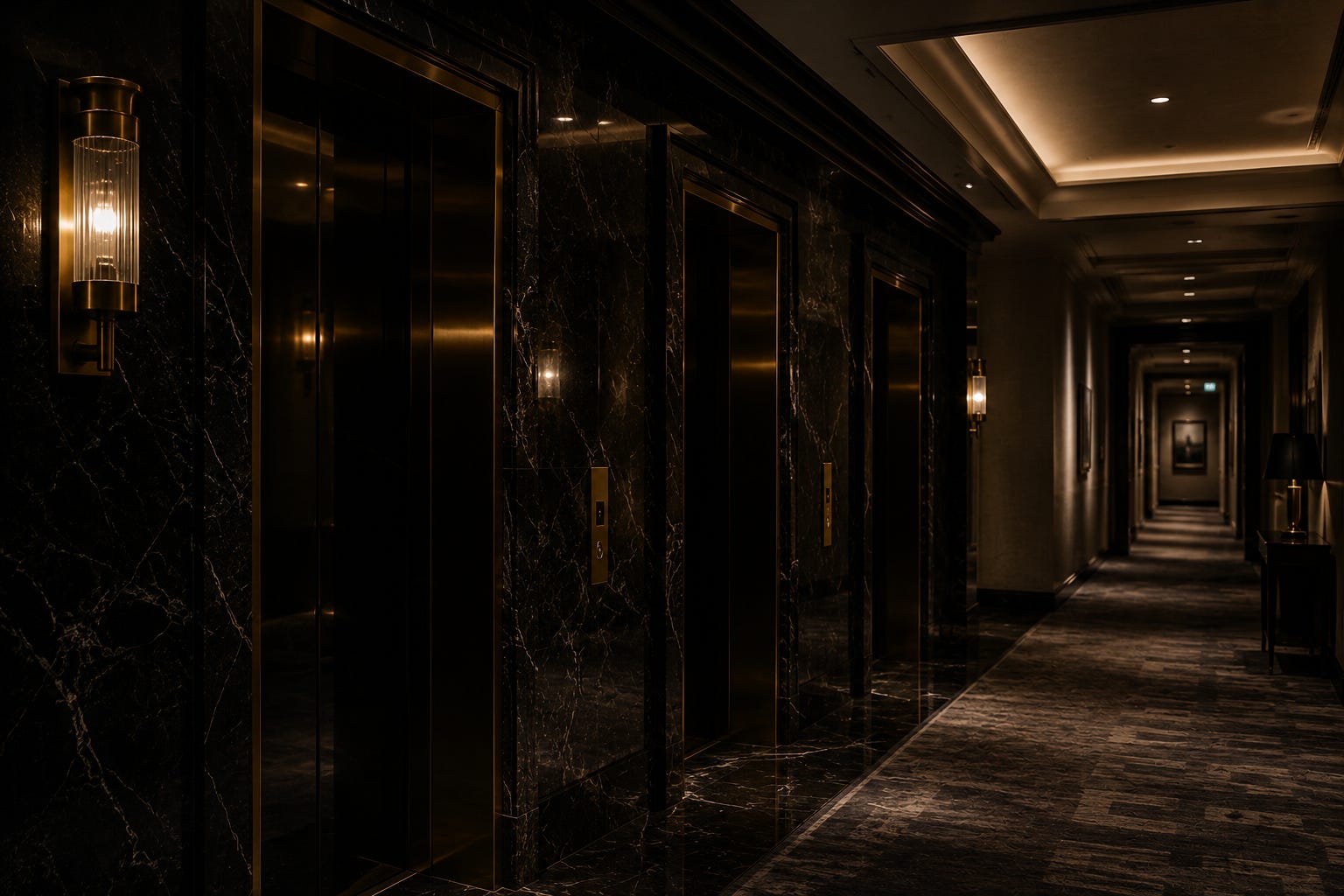
In spaces like these, business clothing begins to look less like an authority symbol and more like structural armor.
Certain people become frighteningly skilled at functioning in fractions.
You can usually identify them by how carefully they manage their visibility. They are never dramatic. They are rarely the loudest people in the room. They answer quickly, remain professionally warm, and become increasingly difficult to emotionally access over time.
Visibility was never intimacy.
For the chronically exhausted, controlled disclosure becomes an art form—
not because they enjoy secrecy, but because explanation eventually becomes another form of labor.
Some forms of deterioration remain employable for a very long time, particularly the polished forms that perform competence well enough to protect a workflow.
Some illnesses remain socially negotiable until they finally interrupt productivity.
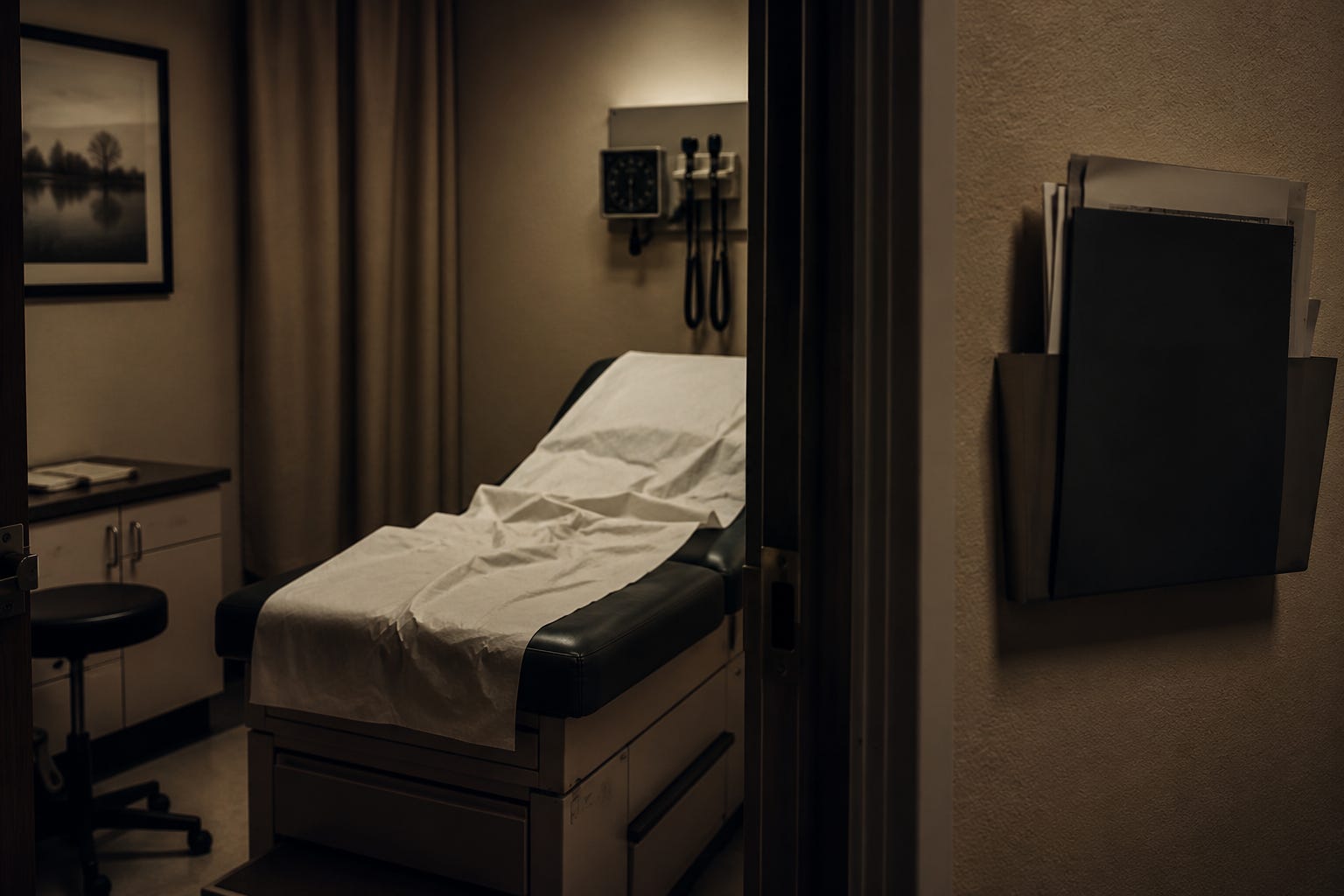
This is especially true for conditions that remain visually hidden, and for women who remain composed enough to avoid alarming the people around them. Some people become remarkably good at looking healthy simply because defending an illness is more exhausting than living with it.
You can feel that calculation in how carefully they regulate access to themselves. How selectively they answer personal questions. How quickly they redirect attention away from their own bodies.
They already know how the room changes once a crisis stops looking temporary.
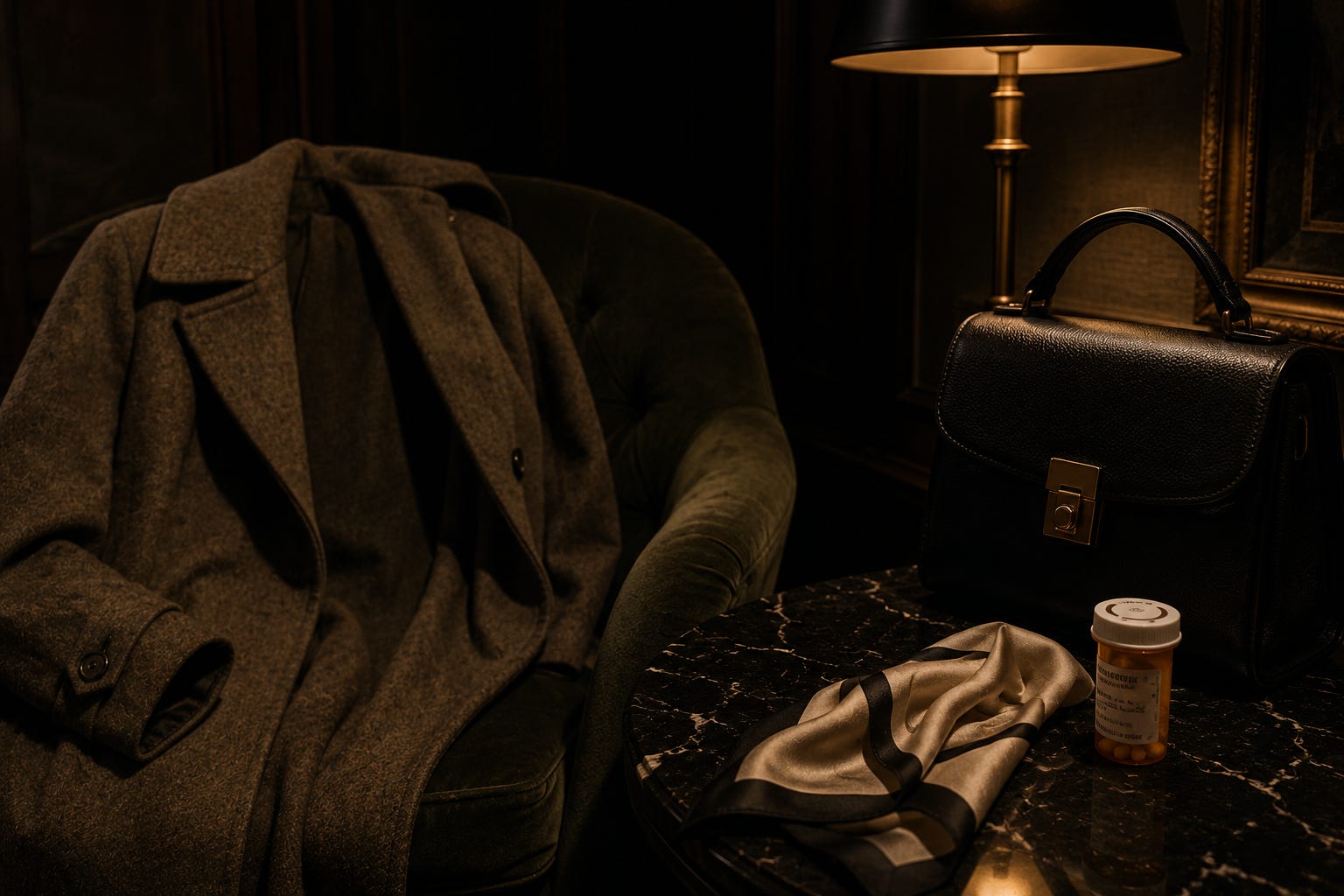
A surprising amount of modern femininity is simply professionally managed exhaustion.
Some women become extremely composed because visible overwhelm repeatedly altered their outcomes.
Looking composed has protected more women than honesty ever did.
Some people learn elegance the same way other people learn self-defense.
That realization eventually changes the way they dress.
Vintage clothing becomes fascinating in this context because it has already survived something. A coat with repaired lining, softened leather trim, and worn sleeve cuffs carries evidence of use without apology.
It does not pretend to be untouched.
People who have spent years negotiating with exhaustion often develop a similar preference.
They stop looking for perfection and start looking for durability.
They become interested in worn leather, structured coats, heavy wool, and materials capable of surviving repeated use without requiring constant reinvention.
Some people develop sustainable philosophies simply because unsustainable systems nearly destroyed them.
At some point, the body itself starts feeling less like an identity and more like infrastructure.
It becomes something to be negotiated carefully, monitored continuously, and managed quietly enough to remain socially acceptable. There are people who can calculate their exact energy expenditure faster than they can register their own emotions.
Most of them become increasingly difficult to reach.
Not because they are cold.
Not because they are detached.
Because access becomes expensive.
A person can only remain publicly available for so long before availability starts behaving like extraction.
Some people learn this gradually.
Others learn it all at once.
The lesson is almost always the same.
The modern world becomes noticeably less warm the moment access to you is no longer automatic.
Corporate systems become uncomfortable very quickly once they realize your responsiveness is not public property. Social systems often react the same way.
A delayed response becomes a statement.
A private weekend becomes a mystery.
A closed door becomes a negotiation.

I once carried a vintage leather briefcase whose handle had been repaired decades earlier by someone I will never meet.
The stitching was uneven. The leather surrounding it had darkened from years of contact with another person’s hand.
It wasn’t perfect.
It was trustworthy.
That repair changed the way I thought about durability.
The modern world is obsessed with replacement.
Replace the object.
Replace the process.
Replace the employee.
Replace the relationship.
Replace the body.
But some things deserve restoration instead.
That distinction becomes impossible to ignore once you have spent enough time rebuilding yourself.
Some people disappear not because they want isolation, but because they are trying to preserve enough of themselves to remain whole.
They stop correcting misperceptions.
They stop volunteering explanations.
They stop offering unrestricted access to every room that asks for it.
From the outside, this can look distant.
Sometimes it can even look selfish.
Most of the time, it is neither.
It is simply the recognition that constant accessibility is unsustainable.

The most expensive thing I ever learned was how much access costs.
The cost rarely arrives all at once.
It accumulates quietly.
One unnecessary explanation.
One more obligation.
One more emotional performance.
One more attempt to make your exhaustion easier for someone else to understand.
Eventually you realize that transparency benefits the observer far more aggressively than the participant.
You begin protecting your attention with the same seriousness other people reserve for money.
You become more selective.
More deliberate.
More difficult to reach.
Not because you have less to give.
Because you finally understand its value.
There is a highly specific kind of loneliness reserved for people who are forced to appear functional.
Especially those who realize that visibility benefits everyone except the person being observed.
Over time, many of those people become quieter.
Not less aware.
Not less compassionate.
Simply more selective about where their energy is allowed to go.
In the end, you start noticing that many extremely composed people are not thriving at all.
They are simply trying to move through the world without becoming another thing that needs to be explained.
Somewhere along the way, they stopped confusing visibility with connection.
They stopped confusing accessibility with kindness.
They stopped confusing constant responsiveness with character.
What remains is something quieter.
A life with fewer points of entry.
Fewer performances.
Fewer negotiations.
A life built around durability rather than exposure.
A life designed to survive.
— M.
The next time someone asks for an explanation, provide only the information they actually need.
Not the apology.
Not the justification.
Not the emotional footnotes.
Just the facts.
Pay attention to what happens when you stop treating your existence like a presentation
This was one that was felt deep within my bones. Replacement. We love replacement, for sure. Even in relationships perhaps.
This captured a kind of exhaustion that's difficult to explain because it looks so functional from the outside. The people who need this piece most will probably recognize themselves in it immediately.