
Designed For Endurance
Some objects survive because they were built well. Others survive because someone decided they were worth repairing.

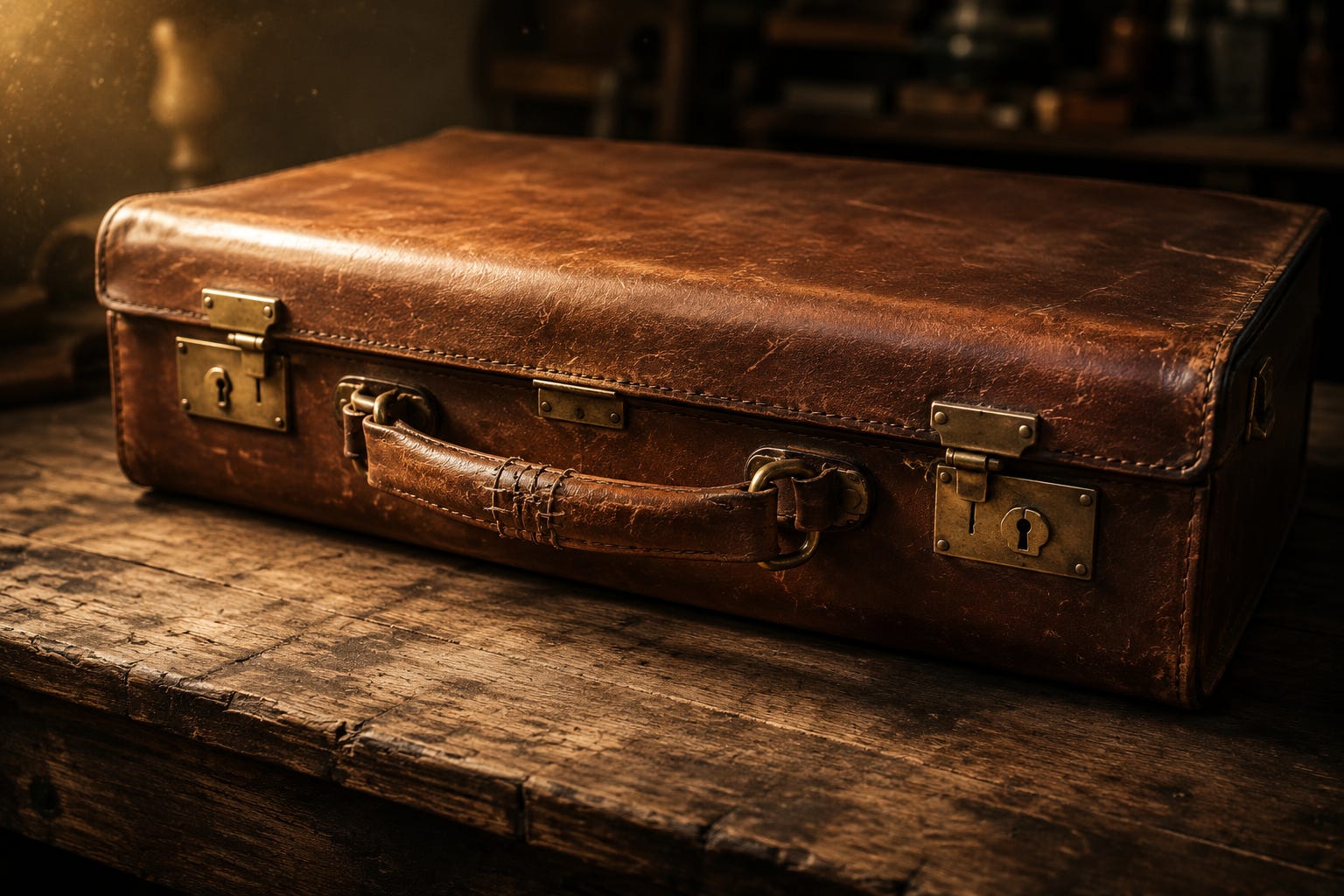
The handle had already been repaired once when I found it.
The stitching was uneven.
The leather surrounding it had darkened from decades of contact with another person’s hand.
A modern manufacturer would probably call it damaged.
I trusted it immediately.
There is something reassuring about evidence of survival.
Not perfection.
Not preservation.
Survival.
The modern world has become increasingly uncomfortable with visible wear.
We replace phones before they fail.
Replace furniture before it breaks.
Replace clothing because a newer version exists.
Replacement has become so normalized that repair almost feels rebellious.
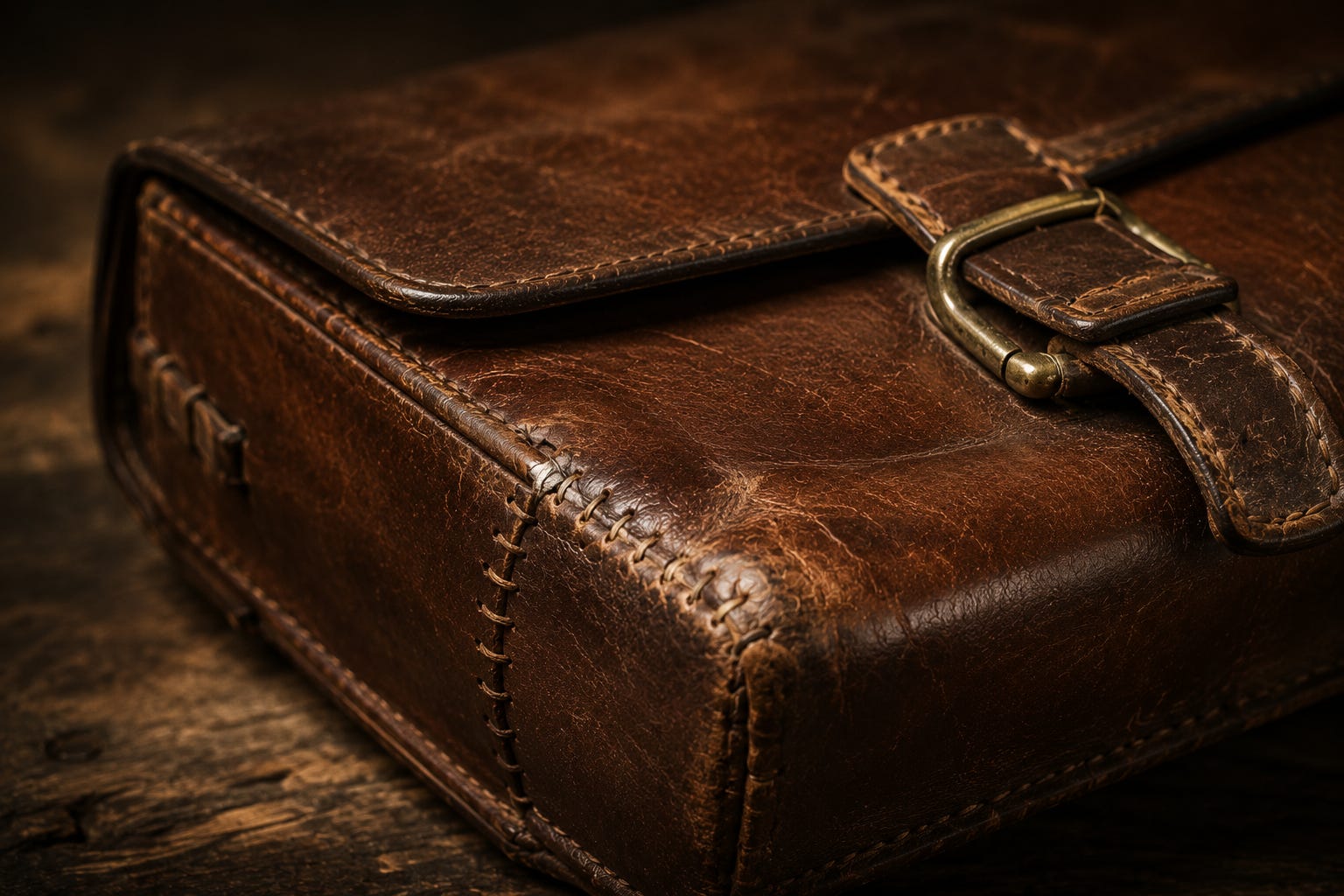
Vintage objects tell a different story.
They carry evidence of use without apology.
The softened corner of a briefcase.
The darkened handle of a leather bag.
The repaired lining of a coat.
The brass hardware polished by thousands of interactions.
Every mark represents an ordinary day someone lived through.
Every repair represents a moment when replacement would have been easier, but preservation was chosen anyway.
That distinction matters.
Because the same philosophy quietly appears everywhere else.
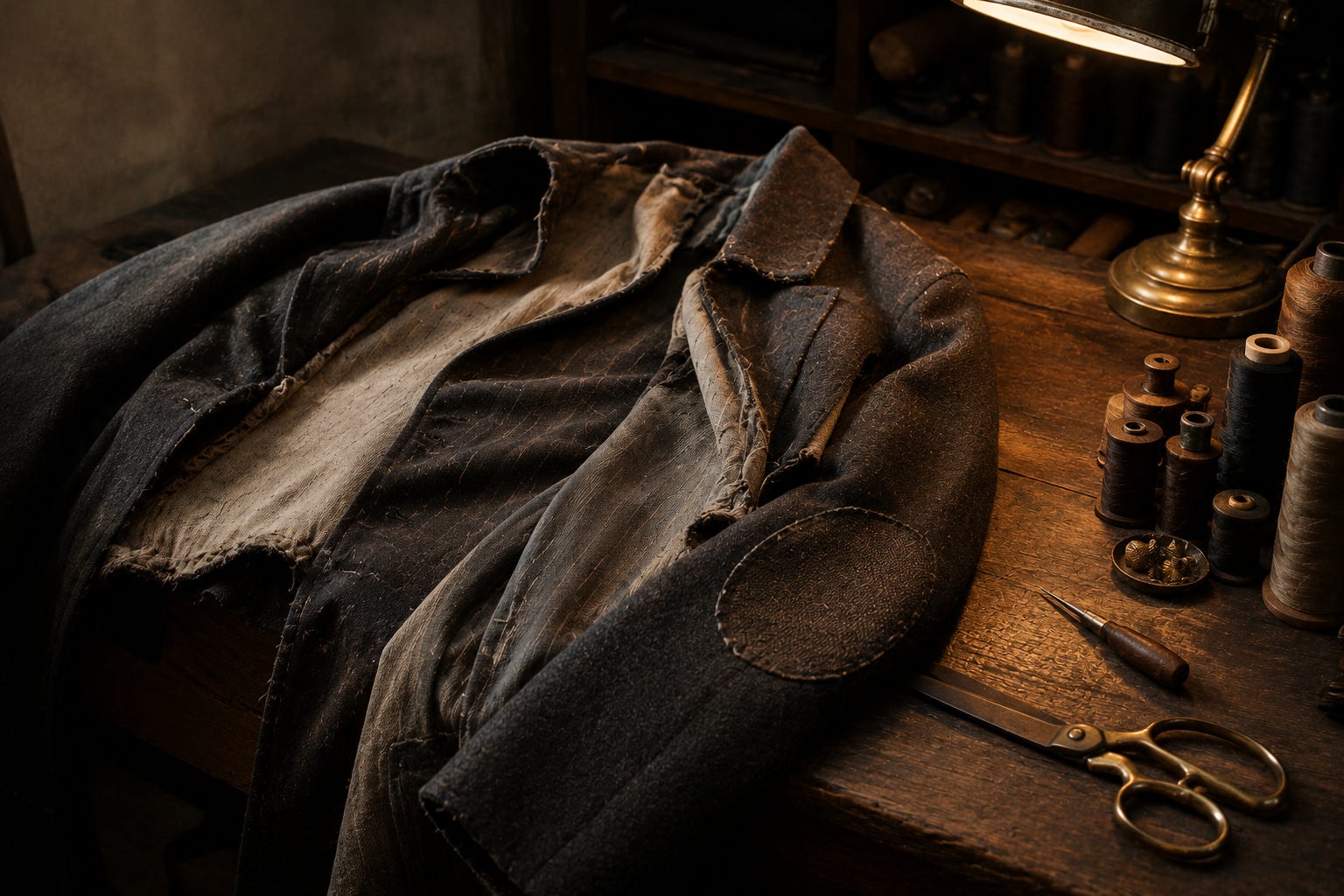
People often assume restoration is about nostalgia.
It isn’t.
Restoration is an act of confidence.
It begins with the belief that something still possesses value despite visible wear.
A skilled restoration specialist does not waste time pretending damage never occurred.
They work with reality.
The scratch remains part of the story.
The repair becomes part of the story.
The object survives because someone was willing to engage honestly with both.
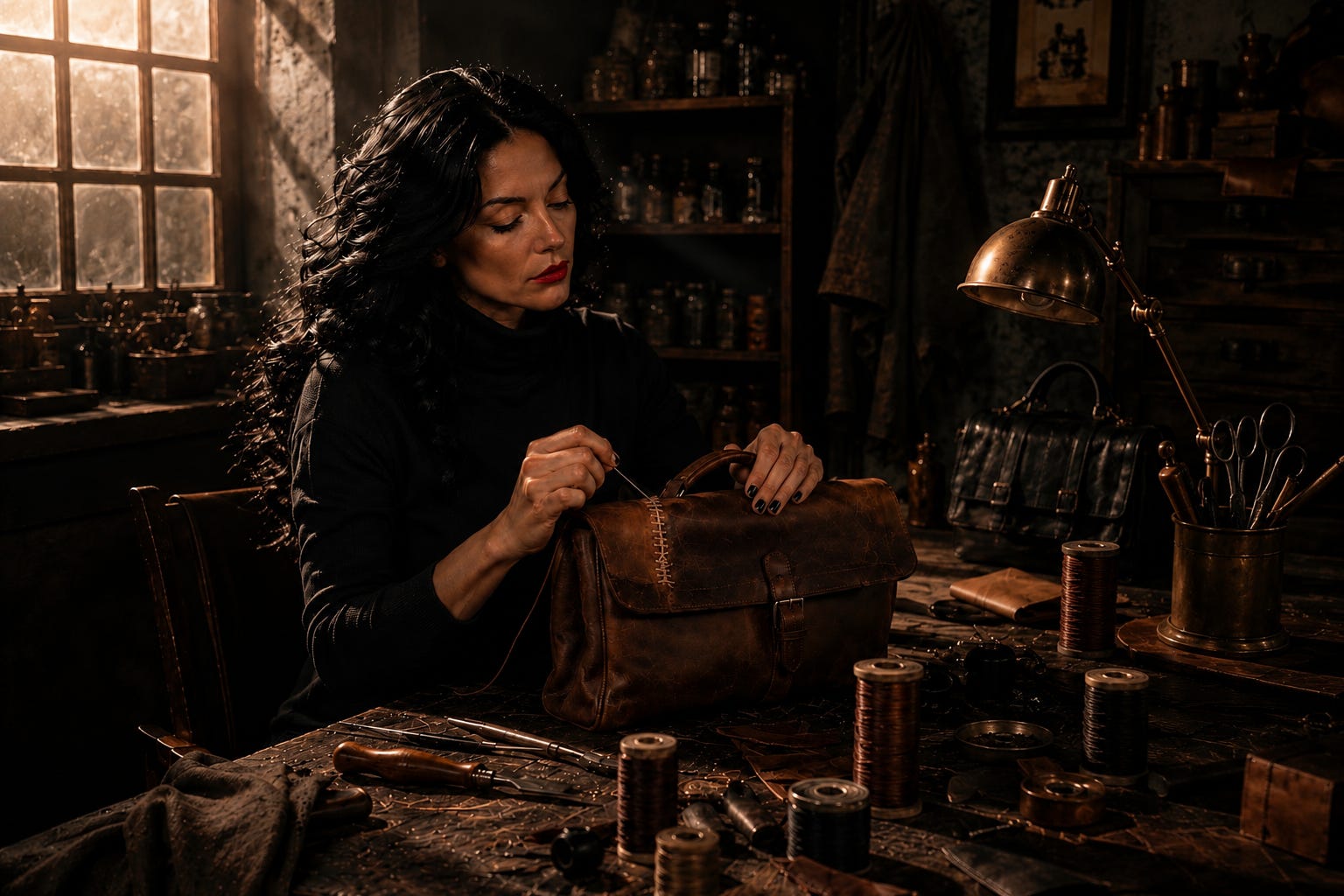
I think that’s why repaired objects have always felt familiar to me.
Chronic illness teaches a remarkably similar lesson.
For a long time, I kept comparing myself to a version of me that existed before I understood what permanent meant.
Eventually, that becomes exhausting.
At some point, you stop organizing your life around returning to a previous version of yourself.
You stop waiting to become untouched.
That realization changes everything.
You stop measuring success by whether every limitation disappears.
Instead, you begin asking a different question.
What can still be built from here?
The goal shifts from restoration of the past to construction of a future.
The damage remains real.
The life remains possible.
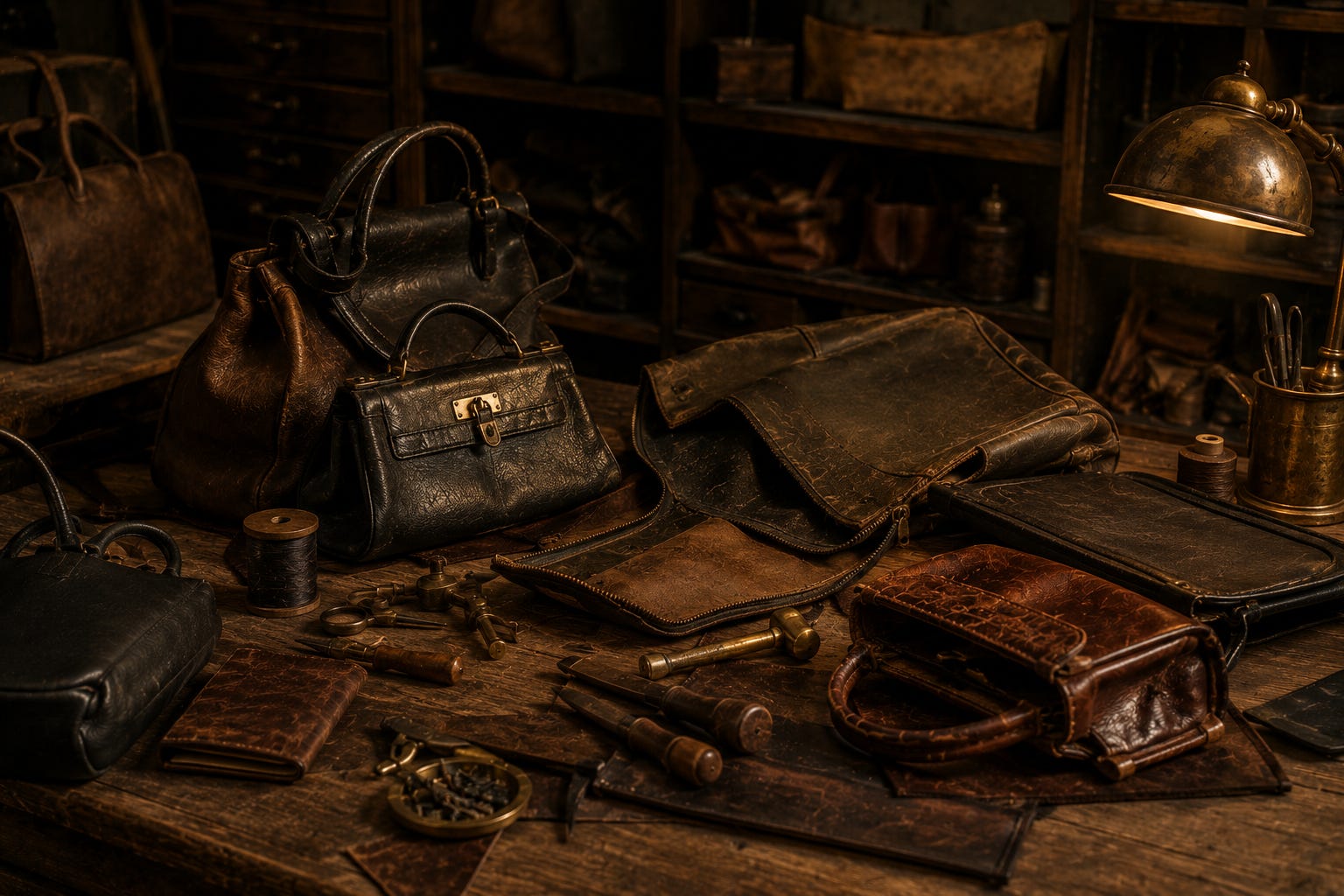
This is why I have always been drawn toward repaired things.
Not because they are flawless.
Because they are honest.
They do not waste energy pretending they were never damaged.
They simply continue.
A repaired briefcase remains useful.
A repaired jacket remains beautiful.
A repaired life remains valuable.
The modern world is obsessed with perfection.
I trust things that survive.
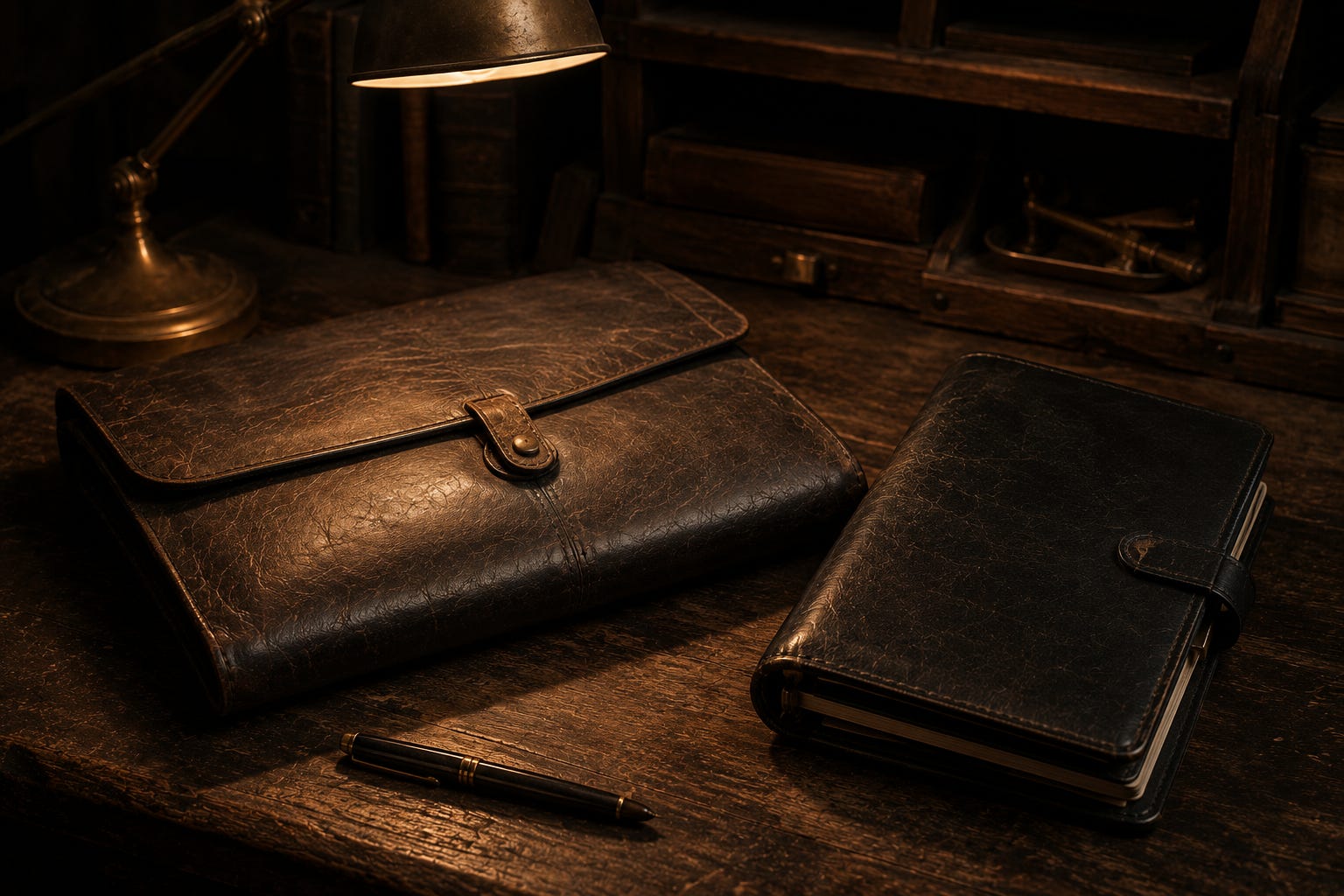
The handle is still uneven.
The repair is still visible.
The leather is still darker where someone else’s hand carried it for years.
The briefcase remains.
So does the repair.
None of that makes me trust it less.
If anything, it makes me trust it more.
Some objects survive because they were built well.
Others survive because someone decided they were worth continuing.
— M.
Subscribe for future entries in the ongoing study of continuity under pressure.
I love this, “ A repaired life remains valuable”.